
Understanding Collagen and Collagen Peptides Differences
If you’re building a complete anti-aging routine (supplements + skincare + daily habits), start here: Unlock Youthful Skin: The Ultimate Guide to Natural Anti-Aging Products.
Prefer a simple, personalized routine you can actually stick to? Try our: Skincare Routine Generator.
Jump to:
- Quick Answer: Collagen vs Collagen Peptides
- What Is Collagen?
- What Are Collagen Peptides?
- Collagen vs. Collagen Peptides: Key Differences
- Comparison Table
- How They Work in the Body
- Forms: Powders, Capsules, Liquids
- How to Take Collagen: Routine Tips
- Can Collagen Be Absorbed Through Skin?
- Safety + Who Should Avoid It
- FAQs
- Key Takeaways
Quick Answer:
Collagen peptides are simply collagen that’s been hydrolyzed (broken down) into smaller pieces. Because peptides are smaller, they’re commonly considered easier to mix and digest than “whole” collagen. In most supplements, when people say “collagen,” they’re often referring to collagen peptides.
Collagen is one of the most talked-about ingredients in wellness and beauty—but the terms collagen and collagen peptides often get used interchangeably.
This guide explains the differences in a clear, practical way so you can choose the best format for your routine—especially if your goal is healthy-looking skin, hair, and overall support.
What Is Collagen? The Body’s Structural Protein
Collagen is a naturally occurring protein that helps give structure to skin and supports connective tissues throughout the body.
As we age, collagen levels and collagen-related processes can change. That’s one reason collagen supplements became popular—many people use them as part of a long-term routine for skin and overall wellness support.
Common ways people use collagen:
- To support the look of skin firmness and elasticity over time
- To support an active lifestyle
- As part of a consistent wellness routine

What Are Collagen Peptides? How They Differ from Collagen
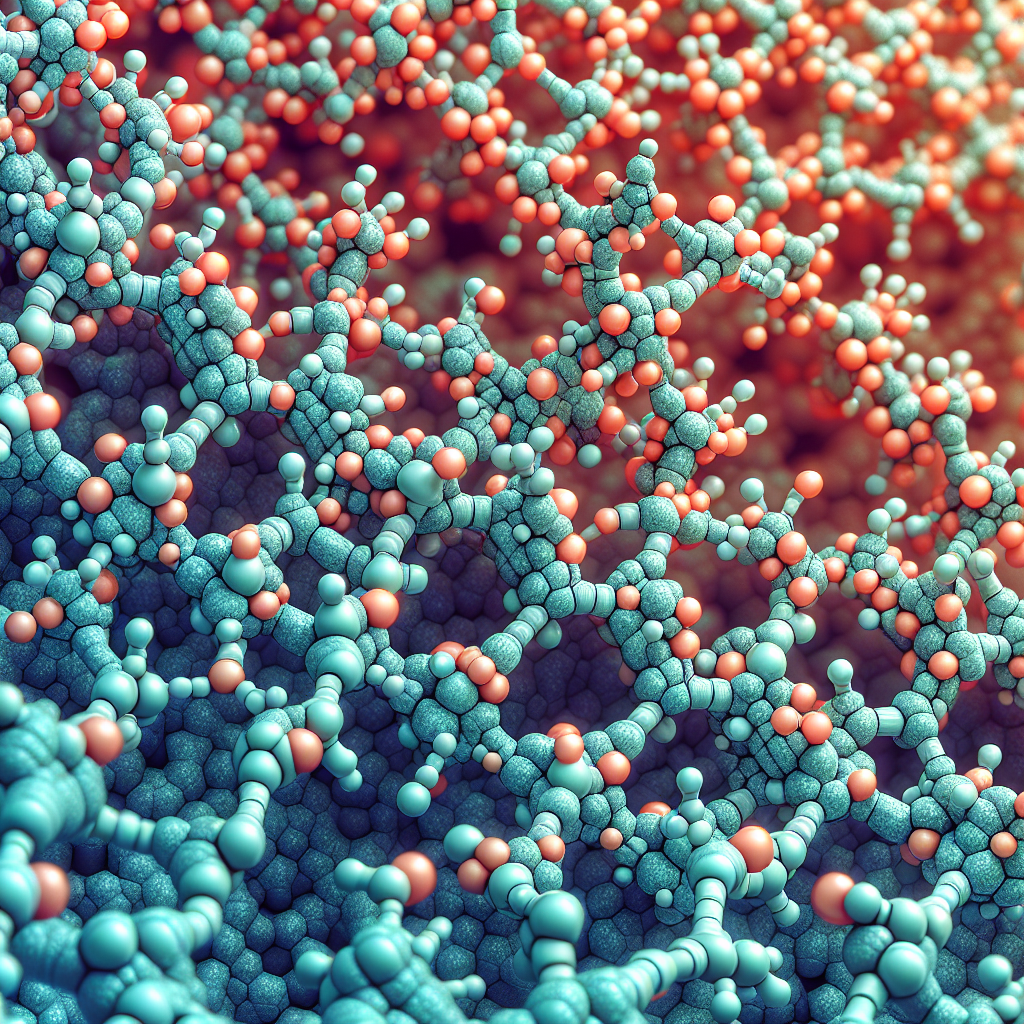
Collagen peptides are collagen that has been hydrolyzed into smaller chains of amino acids. This is one reason collagen peptides are commonly used in powders and capsules—they’re typically easier to mix and digest.
Key characteristics of collagen peptides:
- Made from hydrolyzed collagen
- Smaller protein fragments (peptides)
- Often easier to mix into drinks/foods (powders) or take consistently (capsules)
If you prefer capsules for consistency, you can explore: Multi Collagen Complex Capsules.
Collagen vs. Collagen Peptides: Key Differences Explained
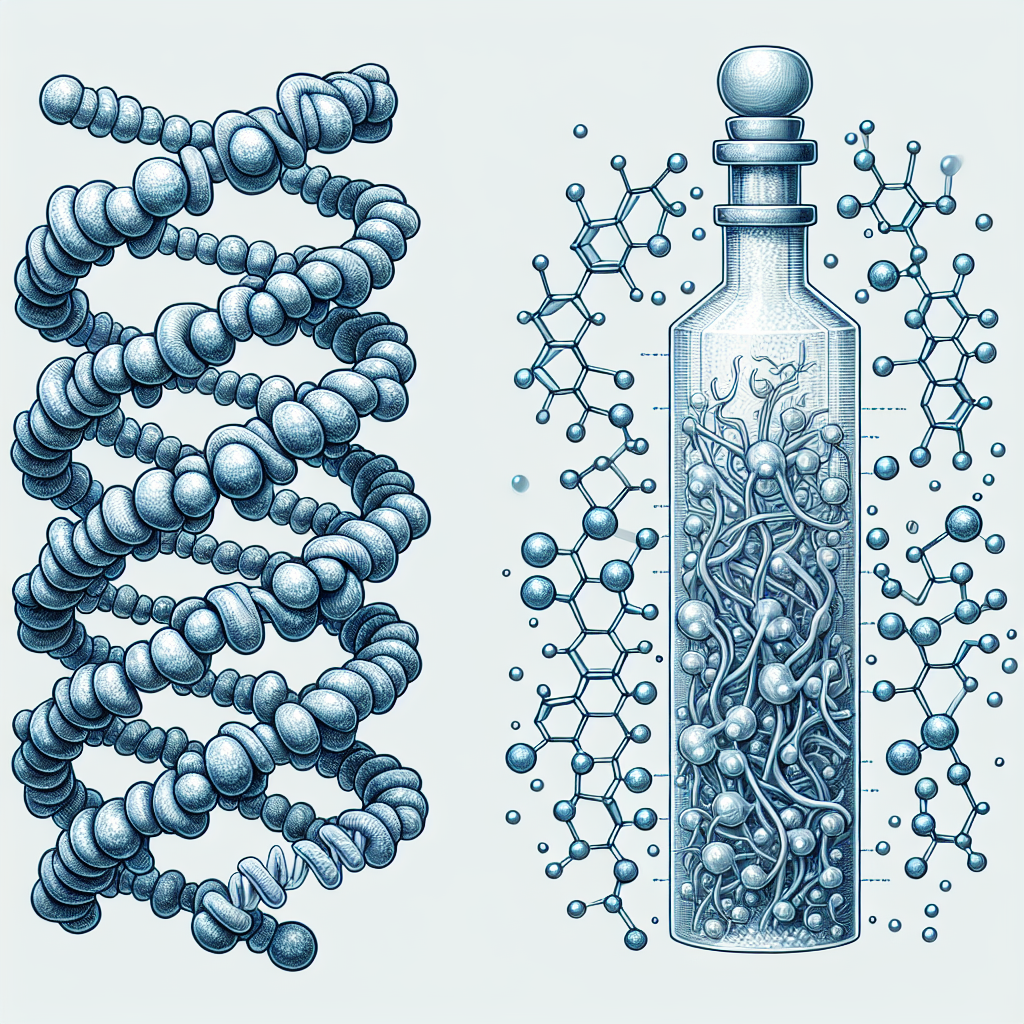
The biggest difference is processing. “Whole” collagen is a larger protein structure, while collagen peptides are smaller fragments created through hydrolysis.
Because peptides are smaller, they’re commonly considered easier to mix and digest—especially in supplement formats.
At a glance:
- Structure: Collagen is a full protein; peptides are smaller fragments
- Mixing: Peptides usually dissolve more easily (powders)
- Routine: Peptides are often simpler to use consistently
Comparison Table: Collagen vs Collagen Peptides
| Feature | Collagen | Collagen Peptides |
|---|---|---|
| Processing | Less processed (larger protein) | Hydrolyzed into smaller fragments |
| Mixing | May be harder to dissolve | Often dissolves more easily (powders) |
| Digestion | Larger structure to break down | Commonly considered easier to digest |
| Best for | Cooking/food uses (gelatin-style) | Daily supplement routines (powders/capsules) |
How Collagen and Collagen Peptides Work in the Body
When you take collagen or collagen peptides, your body breaks proteins down during digestion into amino acids and smaller peptides.
That’s why most results depend on consistency and the overall routine (sleep, protein intake, hydration, and daily SPF for skin goals).
Common routine pairings:
- Skin goals: hydration habits + gentle routine + daily sunscreen
- Wellness goals: consistent protein intake + movement + recovery
- Convenience: choose the format you’ll actually take daily
Forms of Collagen Supplements: Powders, Capsules, Liquids
Collagen supplements come in multiple forms. The best one is usually the one you’ll use consistently.
- Powders: easy to mix into drinks/smoothies
- Capsules: convenient, travel-friendly, no mixing
- Liquids: quick and easy to take
If you’re deciding on format, this guide helps: Collagen Gummies vs. Capsules.

How to Take Collagen: Routine Tips
There’s no perfect time of day—consistency matters most. Many people take collagen with breakfast, coffee, or a smoothie simply because it’s easy to remember.
- Pick a time you’ll stick to (morning is common)
- Follow your product label for serving guidance
- Be consistent for 8–12 weeks before judging results
Collagen Absorption: Can It Be Absorbed Through the Skin?
Topical collagen is generally used for surface-level hydration and skincare feel. Collagen molecules are large, so topical products are not the same as taking collagen internally.
If your goal is a collagen supplement routine, oral formats (powder/capsules/liquid) are the most common approach.

Safety, Side Effects, and Who Should Avoid Collagen
Collagen supplements are generally well-tolerated for many people, but it’s smart to check ingredients and your personal sensitivities.
- Allergies: avoid sources you’re allergic to (e.g., fish for marine collagen)
- Pregnancy/breastfeeding: ask your provider before starting a new supplement
- Medical conditions/medications: check with your provider if unsure
For a broader “realistic expectations” guide, read: Collagen Protein: Myths and Facts Explained.
Frequently Asked Questions
Is collagen the same as collagen peptides?
No. Collagen peptides are collagen that has been hydrolyzed into smaller fragments. In many supplements, the collagen listed is actually collagen peptides.
Which is better: collagen or collagen peptides?
For most supplement routines, collagen peptides are a popular choice because they’re commonly considered easier to mix and digest. The best option is the one you’ll use consistently.
How long does collagen take to work?
Many people assess results after about 8–12 weeks of daily use. Some may notice hydration-related changes sooner, but timing varies by person and routine.
Can I take collagen with skincare?
Yes. Many people pair collagen habits with skincare basics like hydration, antioxidants, and daily SPF.
Key Takeaways
- Collagen peptides are hydrolyzed collagen (smaller fragments).
- Peptides are commonly considered easier to mix and digest than whole collagen.
- Choose a format you’ll take consistently (powder, capsules, or liquid).
- Most people evaluate results after 8–12 weeks of daily use.
- Build better outcomes with supportive habits: hydration, protein intake, and daily SPF.
Next step: Want a simple plan tailored to your skin type and goals? Try our Skincare Routine Generator.